

How to Build a Vacation Rental Linen Program That Scales
If it feels like you are replacing sheets and towels constantly, you are not imagining it. The problem usually is not your guests or your housekeepers. It is that retail linens are not built to survive a hospitality setting, where they get washed hundreds of times a year instead of dozens. They thin, pill, and fade, and you buy them again.
Most property managers think about linens one home at a time. A homeowner asks what sheets to buy. You give a recommendation. They purchase something from Amazon, Target, or wherever is convenient. Six months later, those sheets are discontinued. A towel gets damaged and can't be replaced. The fitted sheet from one property won't swap with the fitted sheet from another.
Multiply that across 50 homes and you have 50 independent linen programs you never intended to create.
A real linen program fixes this. It standardizes what you buy, defines how much you carry, establishes how you charge for it, and gives owners a reason to trust you more. When done well, it also generates revenue.
Here is how to build one.
Step 1: Define what is in your linen program
Before selecting a single product, map out the full scope of your program. Operators who skip this step end up with gaps: a property with great sheets and threadbare bath mats, or beautiful towels and no kitchen linens to speak of.
A complete linen program covers three categories.
Bed
- Sheeting: flat sheets, fitted sheets, pillowcases
- Duvet inserts
- Top of bed: duvet covers, top sheets, quilts, blankets
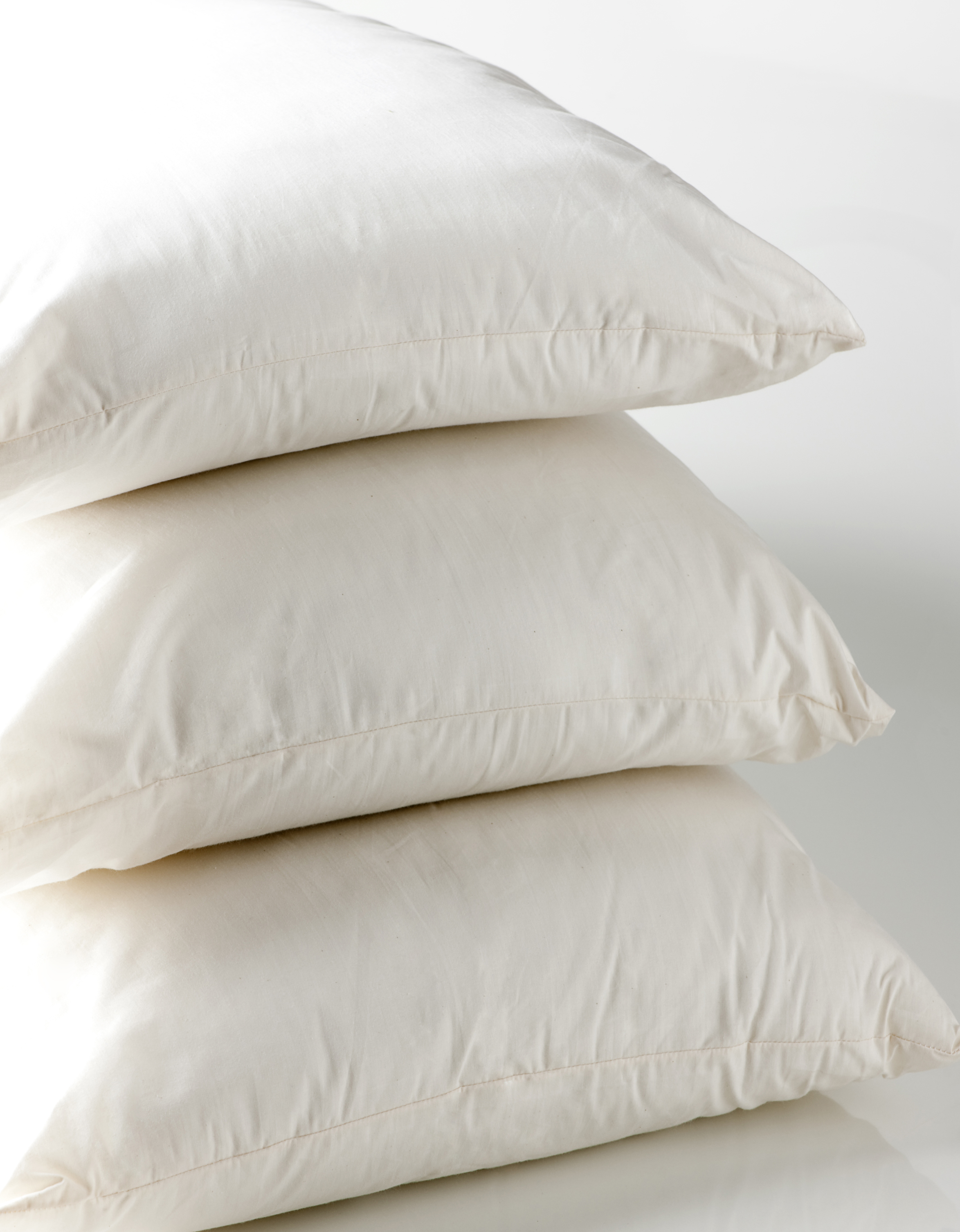
- Pillows and pillow protectors
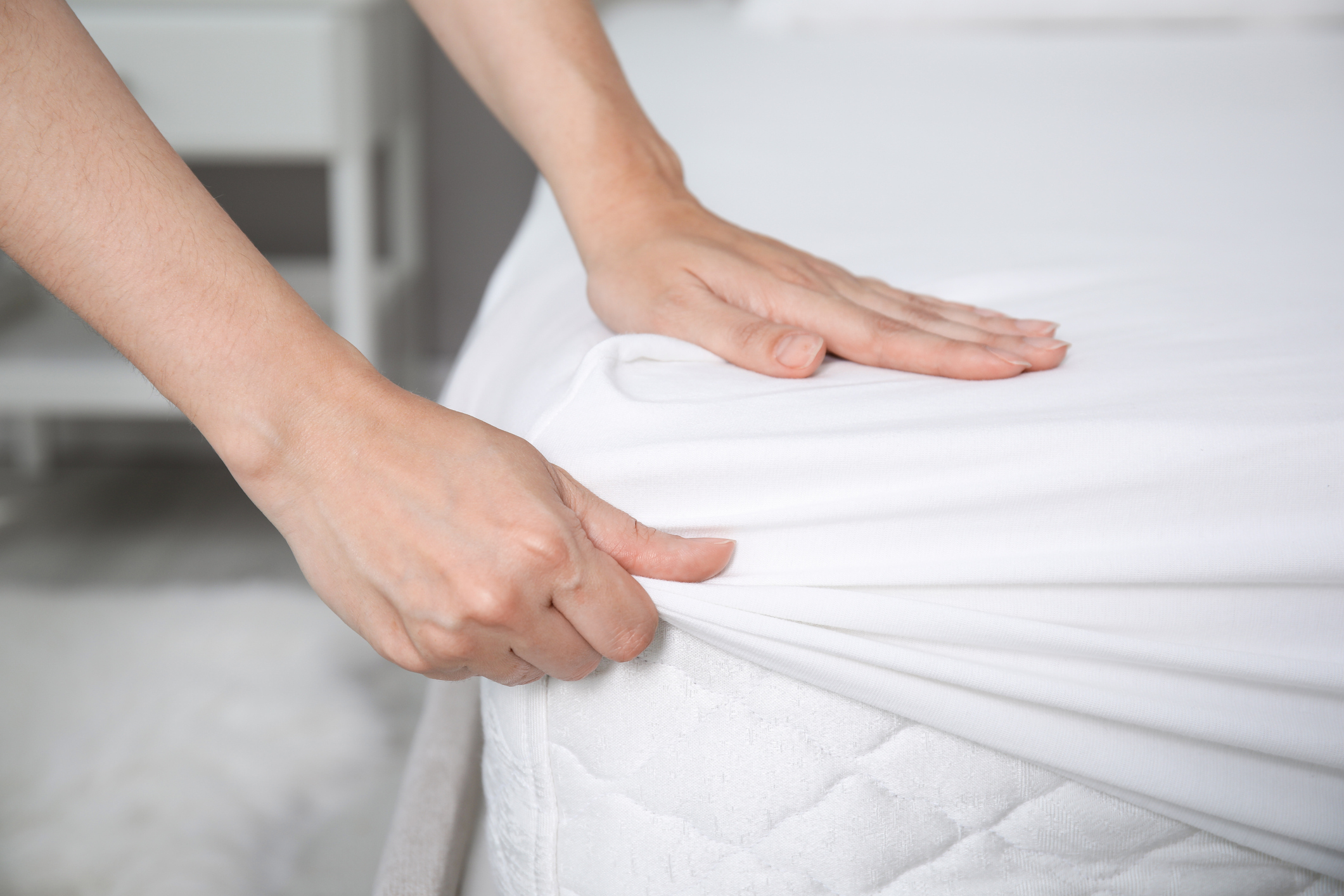
- Mattress pads and mattress encasements
- Bed skirts or box spring wraps
Bath
- Bath towels, hand towels, washcloths, bath mats
- Pool, spa, or beach towels (where applicable)
Kitchen
- Kitchen towels
- Dish cloths
- Pot holders and oven mitts
Most operators focus on bed and bath. The kitchen is an afterthought until a guest review mentions "the kitchen towels were disgusting." Include it from the start.
Step 2: Choose your quality tier
Not every property in your portfolio needs the same specification. A three-bedroom mountain house and a seven-bedroom oceanfront estate have different guest expectations and different owner budgets.
The key is making that decision deliberately, not letting it happen by default.
Hospitality-grade products fall into four tiers. Use these as your framework.
Sheets
| Tier | Material | Thread count | Best for |
|---|---|---|---|
| Economy | 100% Microfiber | N/A | Budget-friendly properties, high-turnover markets |
| Midscale | T200 or T250 Cotton/Poly Blend | 200–250 | Standard vacation rentals, mixed portfolios |
| Premium | T300 Cotton Rich Blend | 300 | Higher-end properties, guests who notice quality |
| Luxury | 100% T300 Extra Long Staple Cotton | 300+ | Luxury properties, 5-star positioning |
Towels
| Tier | Material | Bath towel weight | Best for |
|---|---|---|---|
| Economy | Cotton/Poly Blend, CAM Border | 10–13 lb/dz | Budget properties, pools, beach access |
| Midscale | 100% Cotton, Dobby Border | 14 lb/dz | Mid-tier properties, most vacation rentals |
| Premium | 100% Cotton, Dobby Border | 15 lb/dz | Premium properties, guests who notice softness |
| Luxury | 100% Cotton, Zero Twist, Dobby Border | 16–18 lb/dz | Luxury homes, resort-style properties |
One common mistake is choosing a tier based on personal preference rather than property positioning. A heavier towel feels better but costs more to launder, dries more slowly in tight turnover windows, and may not be right for a property that books budget-conscious guests. Match the product to the property.
Pick one or two tiers for your portfolio and stay there. Mixing specifications across properties creates exactly the inventory chaos a linen program is supposed to prevent.
Step 3: Choose hospitality-grade products
Retail products are built for residential use. They go through the wash dozens of times per year. Vacation rental linens go through it hundreds of times per year. The construction is different for a reason.
Sheets and towels from Amazon or Target last about 50 wash cycles before they start thinning, pilling, or losing their finish. Hospitality-grade products are built to handle 100. A property with regular turnover can put linens through 100 washes in a single year. That means retail linens may need replacing every year while hospitality-grade products last twice as long under identical conditions.
The action item: the durability math is straightforward. The availability issue is less obvious but just as costly. When a fitted sheet tears, you order a replacement and find the colorway was discontinued. Now you're replacing the full set.
Hospitality-grade collections maintain consistent availability year over year. You can reorder the same sheet, towel, or pillow protector as long as you need it. Inventory moves between properties. Replacements match what was there before.
Step 4: Build your PAR levels
PAR stands for Periodic Automatic Replenishment. In hotel operations, it means the number of complete sets needed to run without interruption.
The hospitality standard is 3 PAR:
- 1 set in use at the property
- 1 set in the laundry
- 1 set in storage as backup
Three PAR handles the situations that would otherwise derail a turnover: a laundry machine breaks, a last-minute booking follows a checkout, a housekeeper finds a stain on checkout day. Properties with offsite laundry or high turnover volume may need 4 PAR.
What makes one set?
- King/Queen/Full: 1 flat sheet, 1 fitted sheet, 2 pillowcases
- Twin: 1 flat sheet, 1 fitted sheet, 1 pillowcase
- Bath towels and washcloths: 2 per occupant
- Hand towels: 2 per bathroom
- Bath mat: 1 per bathroom
- Pool towels (if applicable): 1 per occupant
- 2 kitchen towels per kitchen
Linen inventory calculator
Sheets:
Number of beds × 3 PAR = sheet sets required per bed size
Example
50 homes, average 4 beds per home, 3 PAR
50 × 4 × 3 = 600 sheet sets
Apply the same formula to towels, pillow protectors, mattress pads, and kitchen linens. Run this before placing your first order. Operators who skip it underorder on opening inventory and spend months playing catch-up.
Inhaven's linen calculator runs this math for your entire portfolio at once, by property, by tier and by fee structure, so your opening order is built on real numbers instead of a napkin estimate. Reach out to info@inhaven.com to get started on your linen calculator.
Step 5: Protect your investment
Every mattress needs a mattress encasement and a mattress pad. Every pillow needs a protector inside the pillowcase.
These items are inexpensive relative to what they protect. A mattress protector adds years to a mattress. A pillow protector blocks the oils, moisture, and allergens that break down pillow fill long before the pillow should need replacing.
Skipping protection layers is a false economy. You save $15 per pillow on protectors and end up replacing pillows twice as often.
Inspection standards
Build inspection into every turnover rather than replacing linens on a fixed calendar schedule.
- Sheets: thinning fabric, permanent staining, tears, and loss of elasticity in fitted sheets.
- Towels: frayed edges, discoloration, reduced absorbency, thinning.
- Pillows: loss of loft, flattening, staining, odors, torn covers. A flat pillow can ruin a guest's night regardless of how good the sheets are.
- Mattress pads and protectors: tears, stains, loss of fit, broken waterproof backing.
A 30-second pillow check at every turnover is a lot easier than responding to a one-star review about a lumpy bed.
Step 6: Structure the financials
Most operators treat linen as a cost center. It does not have to be.
There are three ways to fund a linen program.
100% Manager-Funded. The management company purchases and owns all inventory. Full quality control, full cost on your books. This works when your management fee accounts for it or when offering included linens helps win new owners.
Pro-Rata Split. Initial inventory cost is shared between manager and owner. Annual replenishment is typically owner-funded. This model keeps capital costs manageable without putting everything on the owner upfront.
100% Owner-Funded. Owners fund the inventory based on your specifications. You manage procurement, track inventory, and invoice for replenishment. The owner owns the product. This is the most common model for operators running a managed linen program.
Turning linens into a revenue stream
Most property management companies bury supply costs inside the housekeeping fee. A cleaner and more profitable approach is a structured housekeeping fee that breaks out:
- Housekeeping labor
- Amenities
- Laundry costs
- Cleaning supplies
- Margin
When you manage procurement and charge owners for replenishment, you build a service layer that generates consistent revenue regardless of booking volume. A linen program stops being a line item and starts being a business.
Bi-annual or annual inventory assessments work well in this model. At each review, you document what needs replacing, quote the owner, and process the order. Owners who resist ad hoc charges respond well to a scheduled, documented process.
Step 7: Build your owner materials
Owners do not buy thread counts or towel weights. They buy confidence in your ability to manage their property well.
When presenting a linen program, frame it around outcomes, not specifications.
What to cover:
- Properties with quality, consistent bedding earn better reviews
- Standardization means fast, exact replacements without tracking down discontinued products
- Your program uses hospitality-grade products built for commercial use, not consumer products from big-box retailers
- You handle procurement, so they do not have to
- You save the owners significant money by purchasing products at wholesale instead of at retail
A simple one-page overview should include: what is covered, which tier fits their property, what the opening investment looks like, how replenishment works, and how they will be invoiced. Keep it direct. Owners who understand the program support it. Owners who do not understand it push back on every invoice.
One objection comes up regularly: owners who want their personal sheets in the property. Handle it simply. Offer to store their linens in a locked owner closet and put them on the beds only during owner stays. Their sheets stay protected from guest damage, they have them when they visit, and your standardized inventory stays in rotation for every turnover. It respects the relationship without creating an exception that undermines your program.
Laundry: in-house or outsourced?
How you launder linens matters as much as what you buy. Incorrect wash temperatures, the wrong detergent, and over-drying are among the most common causes of premature linen failure. Most replacement costs trace back to laundering, not guest damage.
In-house laundry gives you direct control over process, temperature, and turnaround. It pays off at scale but requires equipment, staffing, and ongoing maintenance.
Outsourced laundry lowers startup costs and simplifies scheduling. The tradeoff is less control over how your linens are treated. Not every laundry vendor uses processes appropriate for hospitality-grade products.
If you outsource, write down your wash specifications and share them with the vendor. Temperature, detergent type, and cycle length all determine how long your inventory lasts.
Build your standard from one catalog
Hospitality-grade, evergreen, and rated for 100+ commercial washes. Standardize bed, bath and kitchen at insider prices, with free shipping on orders $75+.

A linen program is a standards program
Guests remember how they slept and how they felt stepping out of the shower. They do not review the property manager. They review the stay. The stay is made of the physical experience of the home.
A standardized linen program means the guest in your entry-level property gets the same quality rest as the guest in your flagship. That consistency builds a reputation. It is also what separates professional operators from individual hosts.
Hotels have run this way for a century. Vacation rentals are catching up.